Ultimate Client Education Strategies That Drive Growth
Client education plays a vital role in building strong, long-term business relationships. When clients understand your services clearly, they make confident decisions and engage more effectively.
A structured client education approach helps businesses improve retention, reduce friction, and drive sustainable growth. It also creates alignment between client expectations and service delivery.
In competitive markets, client education is no longer optional. Businesses that educate clients early reduce misunderstandings and build trust faster.
Why Client Education Is a Growth Catalyst
Client education empowers customers to maximize value without constant support. It creates transparency, builds trust, and strengthens collaboration across teams.
When clients understand how systems and processes work, communication improves. This reduces delays and increases overall efficiency.
Businesses that prioritize client education often see higher satisfaction. They also experience stronger performance across the customer lifecycle.
How Educated Clients Make Better Decisions
Well-informed clients understand processes, timelines, and expectations. This clarity reduces confusion and speeds up decision-making.
Educated clients ask better questions. They choose solutions that align with their goals and use them correctly.
The Link Between Client Knowledge and Retention
Client education improves retention by reinforcing value at every stage. Clients who feel informed are more confident and engaged.
Ongoing education builds loyalty over time. It reduces churn and encourages long-term partnerships.
Core Client Education Strategies That Work
Effective client education focuses on relevance and simplicity. Targeted content performs better than overwhelming information.
A structured education framework improves onboarding. It also strengthens adoption and long-term engagement.
Creating Clear, Actionable Learning Resources
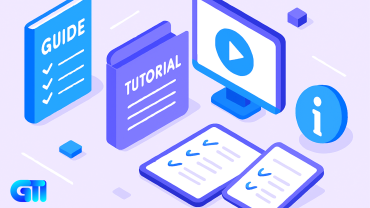
High-quality client education resources include guides and tutorials. Step-by-step instructions help clients take action quickly.
Clear learning resources reduce dependency on support teams. They improve confidence and self-sufficiency.
Using Data and Feedback to Improve Education Impact
Tracking engagement helps identify what works.
Feedback highlights areas that need improvement.